
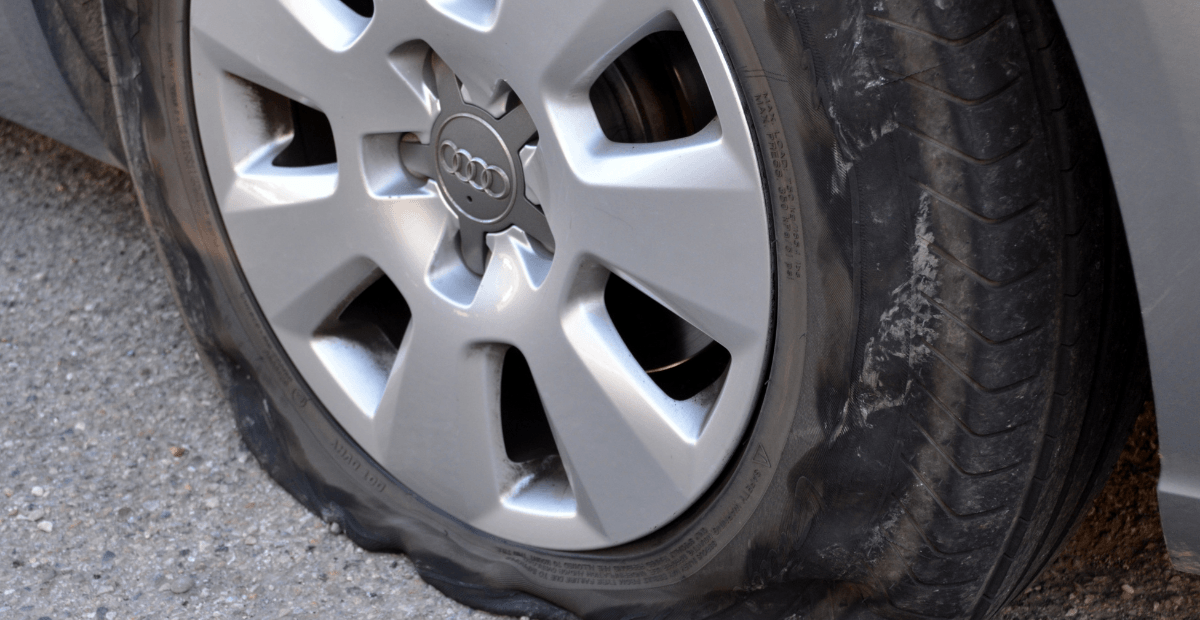
A tyre blowout can be a scary experience for anyone, particularly when you are travelling at speed or driving an unfamiliar hire vehicle. Whether you’re heading away for a family holiday, collecting furniture or transporting equipment for work, knowing how to react can help you maintain control and protect everyone on board. Our guide explains what to do if a tyre bursts, how to reach safety and the checks that can reduce the risk of a blowout.
1. What to Do Immediately If a Tyre Blows Out
A blowout may cause a loud bang, sudden vibration or the vehicle to pull sharply towards one side. Your first priority is to maintain control. Keep both hands firmly on the steering wheel, look ahead and avoid making sudden steering movements.
Do not stamp on the brakes, as harsh braking can make an unstable vehicle more difficult to control. Instead, ease off the accelerator and allow the vehicle to slow down gradually. If necessary, use gentle braking once the vehicle is stable and travelling at a lower speed.
Avoid attempting to correct the vehicle's direction with abrupt movements. Steer smoothly and keep your attention on the road ahead. Once you have regained control, indicate when appropriate and begin looking for a safe place to stop. Do not continue driving on a damaged tyre, even if the vehicle still appears manageable.
2. Getting to Safety and What to Do Once You’ve Stopped
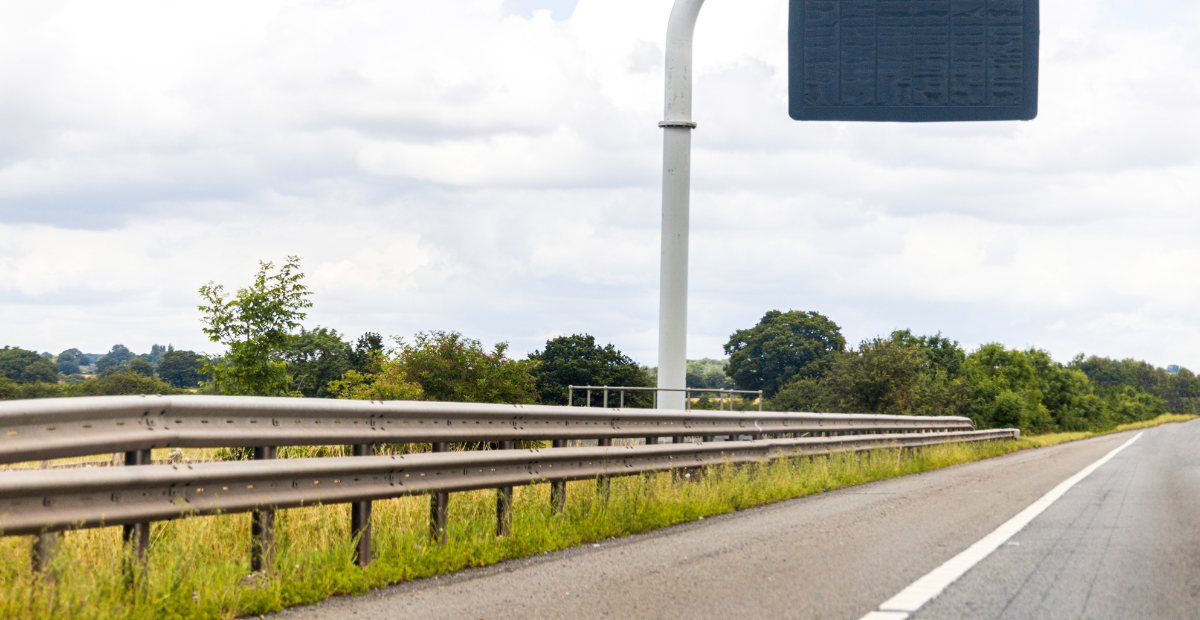
Find a safe stopping place away from moving traffic wherever possible. Switch on your hazard warning lights and assess your surroundings before opening any doors. If you’re on a motorway use an emergency area or service area if you can reach one safely.
If you cannot reach a safe stopping place, stop as far to the left as possible. Where safe, leave the vehicle by the side away from traffic and move behind a safety barrier. Never stand between your vehicle and approaching traffic. If you cannot exit safely, remain inside with your seatbelt fastened and call 999.
Contact your breakdown provider and explain that you have experienced a tyre blowout. If you’re driving one of our Skipton Self Drive vehicles, contact the rental company using the emergency or assistance details provided with your booking. We can advise you on the correct procedure and arrange appropriate support.
Only consider changing a wheel if you have the correct equipment, know how to use it and can work in a genuinely safe location. Never attempt a roadside tyre change on a motorway.
3. How to Reduce the Risk of a Tyre Blowout
Although not every blowout can be prevented, regular tyre checks can help identify problems before they become dangerous. Check tyre pressures when the tyres are cold, using the manufacturer's recommended figures for the vehicle and its load. Inspect the tread and sidewalls for cuts, cracks, bulges or embedded objects.
Remember that the legal minimum tread depth for cars and light vans is 1.6mm across the central three quarters of the tyre, around its entire circumference. Tyres should also be checked for uneven wear, which may indicate another problem requiring attention.
When hiring a van for a house move or business delivery, never exceed the vehicle's permitted payload. Distribute loads correctly and secure them to prevent movement. If you notice tyre damage, unusual vibration or a pressure warning, stop safely and seek advice rather than continuing your journey.
Final Thoughts
A tyre blowout requires a controlled response: hold the steering wheel firmly, slow down gradually and prioritise finding a safe place to stop. Regular checks and sensible loading can also reduce avoidable risks. Before setting off in a Skipton Self Drive car or van, familiarise yourself with the vehicle and its assistance information, and ask our team about any concerns you may have.
To book your next hire van with us, contact our team today on 01756 792911 or book online here.
