
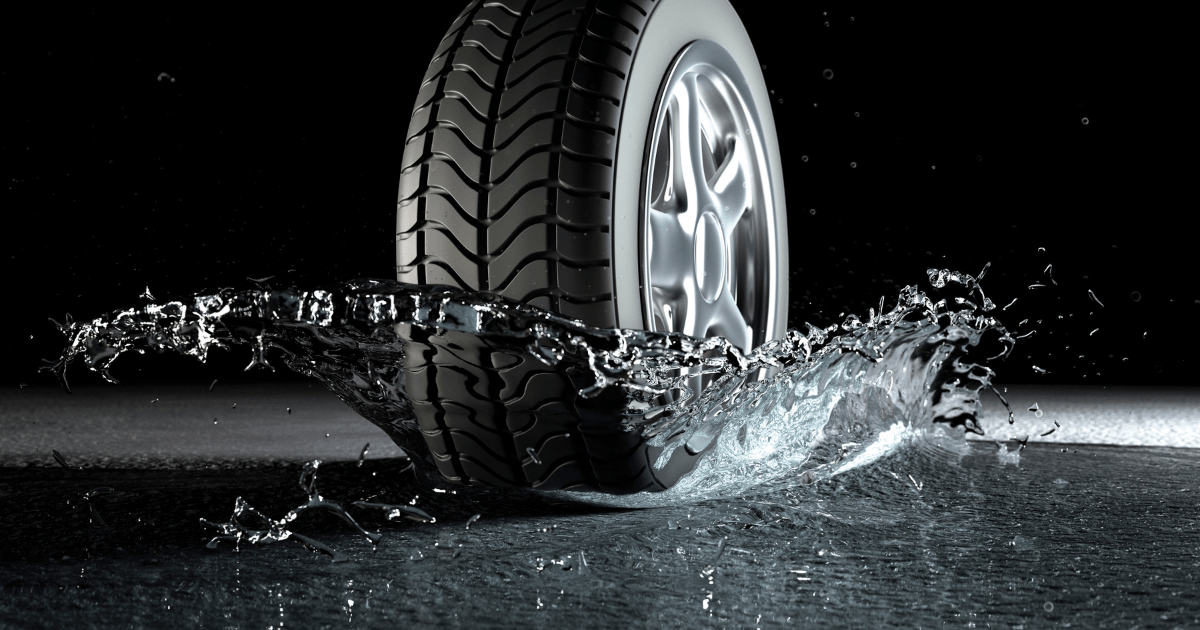
Driving in heavy rain can be challenging, particularly when roads become covered in standing water. One of the biggest risks during wet weather is aquaplaning, a situation where your vehicle temporarily loses contact with the road surface.
Aquaplaning can happen to anyone, whether you're driving your own car, a hired vehicle or a commercial van. Understanding what causes it, recognising the warning signs and knowing how to react can make a significant difference to your safety when travelling in difficult weather conditions.
What Is Aquaplaning and Why Does It Happen?
Aquaplaning occurs when a layer of water builds up between your vehicle's tyres and the road surface. Normally, tyre grooves channel water away, allowing the rubber to maintain contact with the road. However, when there's too much water, the tyres can lose their grip, making steering and braking less effective.
Several factors increase the likelihood of aquaplaning. Driving too quickly through standing water is a major contributor, as tyres have less time to disperse the water beneath them. Worn tyre tread and incorrect tyre pressures can also increase the risk.
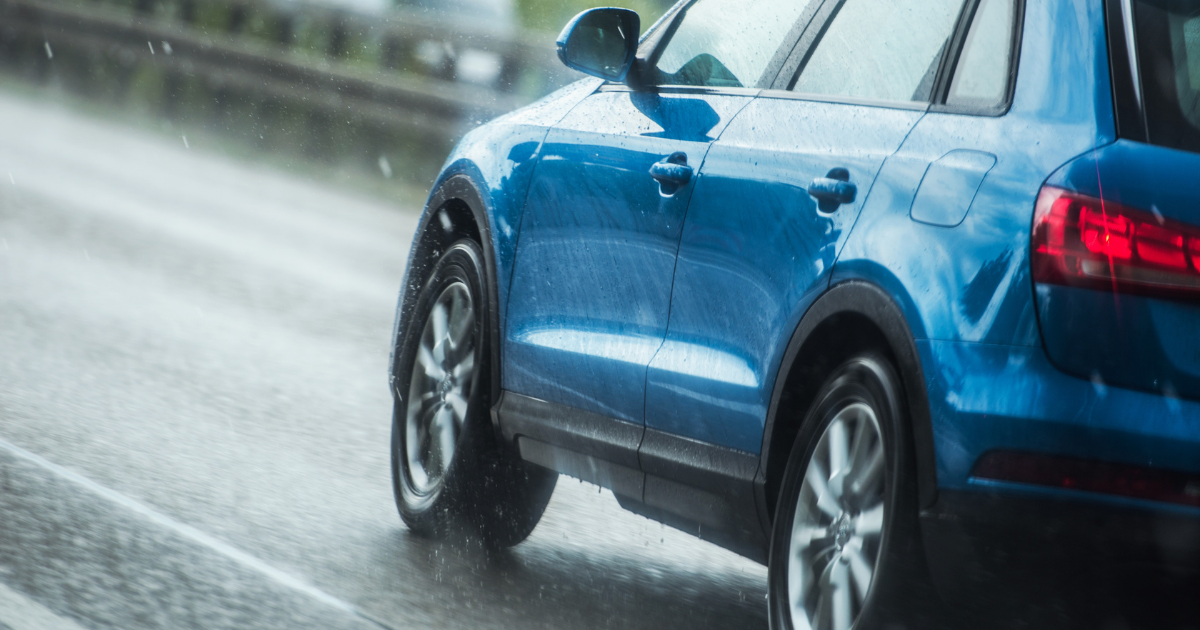
Aquaplaning is particularly common on roads with poor drainage, including motorways and country lanes where water collects in dips or ruts, and importantly, it can happen at different speeds depending on road conditions, water depth and tyre condition.
How Can You Tell If Your Vehicle Is Aquaplaning?
Recognising the warning signs of aquaplaning can help you respond before losing control completely.
One of the most noticeable signs is unusually light steering, where the steering wheel suddenly feels less responsive than normal. You might also notice the engine revving unexpectedly, particularly if the driven wheels lose traction.
Other warning signs include the vehicle drifting sideways, struggling to maintain its direction or feeling as though it's floating across the road surface.
These sensations can be particularly unsettling when driving an unfamiliar hire vehicle. Larger vans may also respond differently to steering inputs compared with smaller cars.
If you experience these symptoms during heavy rainfall, remain calm and avoid making sudden movements on the steering wheel.
What Should You Do If Your Vehicle Starts Aquaplaning?
If your vehicle begins aquaplaning, the most important thing is to remain calm and avoid sudden reactions.
Firstly, gently ease your foot off the accelerator to allow the vehicle to slow naturally. Avoid braking sharply, as this could make the situation worse when the tyres regain contact with the road.
Keep the steering wheel steady and avoid turning suddenly. If your vehicle begins drifting, resist the temptation to make aggressive steering corrections. Instead, maintain a gentle, controlled approach until you feel the tyres regain their grip. Once traction returns, gradually adjust your speed and steering as necessary.
Prevention is equally important. Always reduce your speed during heavy rainfall. Increase the distance between yourself and the vehicle ahead, allowing additional time to react.
Final Thoughts
Aquaplaning can be frightening, but understanding how it happens and knowing how to respond can help reduce the risks.
Whether you're hiring a car for a weekend getaway, moving house with one of our vans or travelling for business, adapting your driving to wet weather conditions is essential.
Remember, slowing down, maintaining safe distances and avoiding sudden movements are simple precautions that can make journeys safer for everyone on the road, whatever vehicle you're driving.
To book your next hire van with us, contact our team today on 01756 792911 or book online here.
