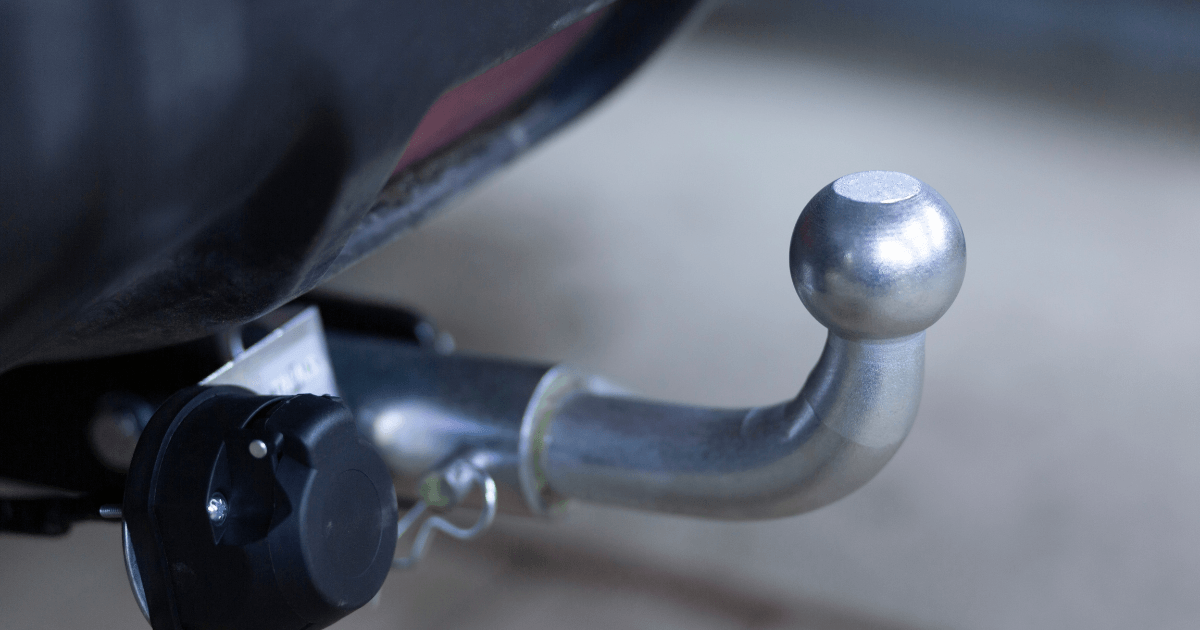
Towing a trailer can be incredibly useful, whether you’re moving equipment for work, transporting furniture, or heading off on a weekend adventure. If you’re hiring a vehicle for the job, understanding the rules, limits, and safe driving techniques becomes even more important. At Skipton Self Drive, a number of vehicles in our fleet are equipped with tow bars, giving both business and domestic customers the flexibility to tow safely and legally. This guide covers the key things you need to know before setting off, from licence rules to practical towing tips, helping you feel confident behind the wheel.
UK Towing Rules and Licence Requirements
The rules around towing changed in December 2021, making things simpler for most drivers. Anyone with a standard category B car licence is now permitted to tow a trailer up to 3,500kg MAM, as long as the vehicle itself is capable of handling that weight. However, it’s still essential to check what your specific hire vehicle can legally tow, as licence entitlement does not override the vehicle’s own limits. Every vehicle has a maximum towing capacity and exceeding it can be unsafe and illegal.
To stay compliant, you’ll need to be aware of a few key terms. The Maximum Authorised Mass (MAM) refers to the total permitted weight of the trailer when fully loaded, while the Gross Train Weight (GTW) is the combined maximum allowed weight of the vehicle and trailer together. These figures are usually found on a plate located inside the driver’s door or under the bonnet, but of course we will advise on that during vehicle checkout or before.
As a renter, it’s your responsibility to ensure the vehicle and trailer stay within these limits. Additionally, trailers weighing over 750kg must be fitted with brakes, and all trailers must have working lights, reflectors, and a correctly displayed number plate. Ensuring your insurance covers towing is also important.
Preparing Your Rental Vehicle and Trailer Safely
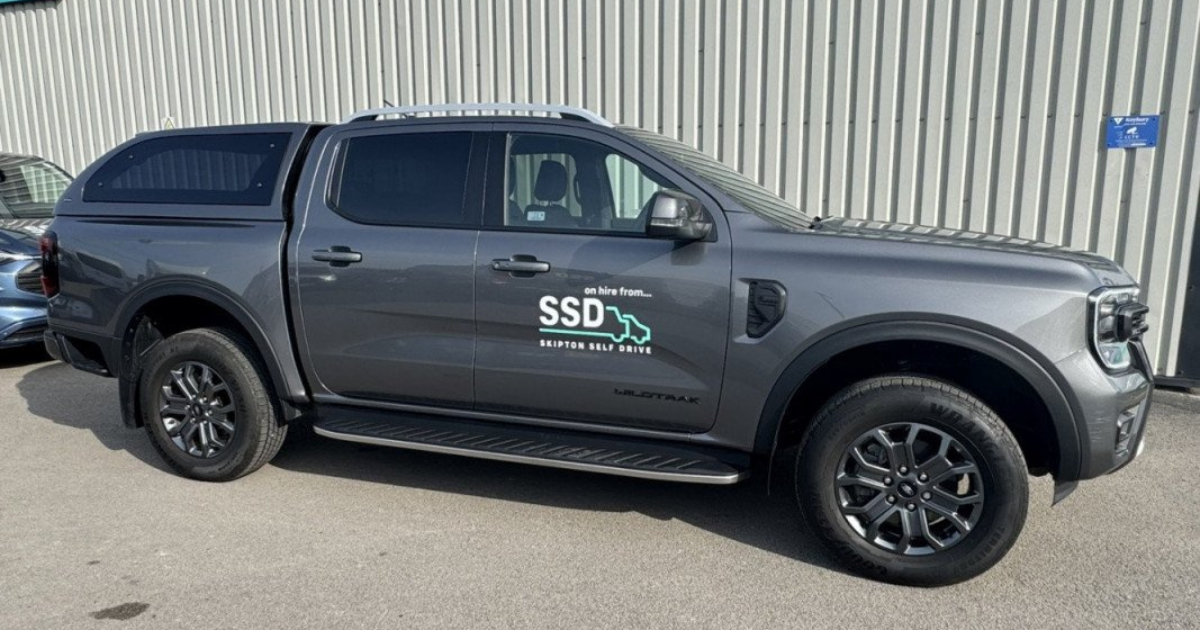
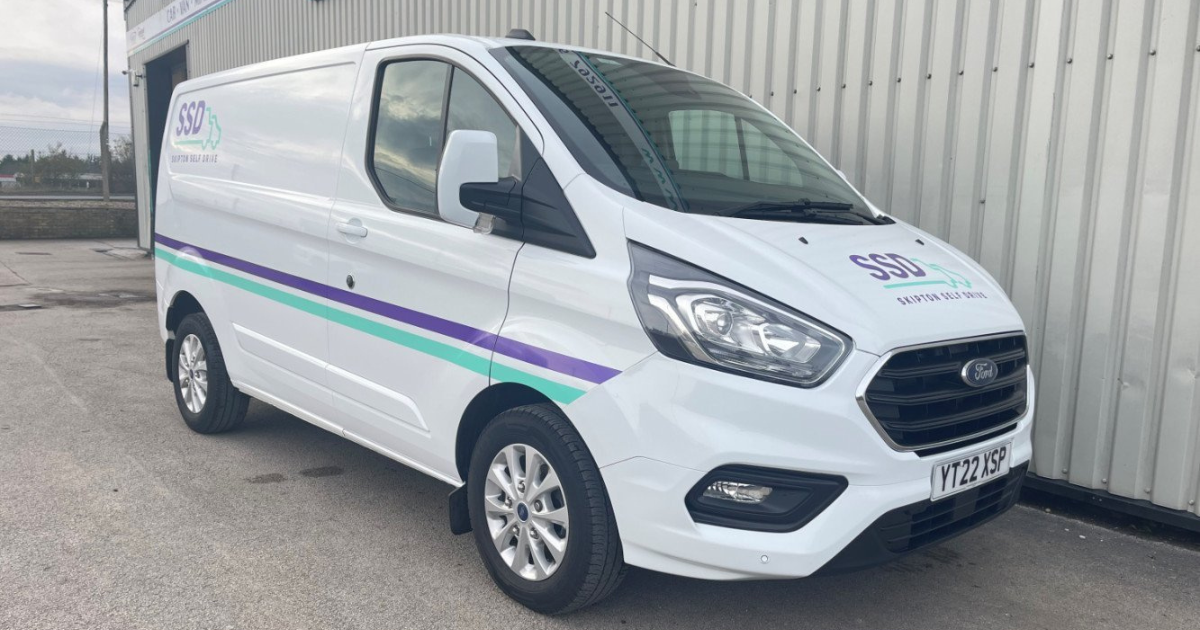
Skipton Self Drive offers a range of hire vehicles fitted with tow bars, including the Transit Tipper, Short Wheel Based Vans, and 4x4 Twin Cabs such as the Toyota Hilux and Ford Ranger. These vehicles are commonly used for towing small plant trailers, box trailers, caravans, equipment, and lightweight machinery. Choosing the right hire vehicle depends on the weight of what you need to tow and the type of trailer you’re using, so it’s always worth checking with the team if you’re unsure.
Before you set off it’s important to take a few minutes to check the mirrors. If the trailer is wider than the vehicle, you may need extension mirrors to maintain full visibility along the sides and rear. When attaching your trailer, make sure the coupling is secure, the safety chain is connected, and the electrics engage properly so that the lights work as they should. The trailer should sit level and balanced once attached.
Loading the trailer correctly is just as important as connecting it properly. A good guideline is to place around 60% of the weight towards the front of the trailer, ahead of the axle, to maintain stability. Items should be strapped down securely so they can’t shift while driving, and you must stay within legal height and width limits. An uneven or overloaded trailer is not only unsafe but can also lead to trailer sway, which significantly increases the risk of an accident.
Essential Tips for Driving with a Trailer
Driving with a trailer requires a slightly different driving style. Stopping distances increase, acceleration is slower, and you’ll need to take corners more widely to avoid the trailer cutting across kerbs or other lanes. Keeping your speed down and maintaining a larger gap between you and the vehicle in front helps compensate for the added weight. It’s also worth planning your route in advance to avoid tight spaces, steep hills, or narrow roads where manoeuvring could be difficult.
Reversing with a trailer can feel counter-intuitive at first, as the trailer moves in the opposite direction to your steering input. The key is to go slowly and make small corrections. If you’re not confident reversing, practise in a quiet, open area before setting off on your journey. Many common towing issues come from small mistakes such as overloading the rear of the trailer, relying only on standard mirrors when additional visibility is needed, or towing in challenging weather conditions without taking extra care. High winds, for example, can cause lighter trailers to sway, so adjusting your speed accordingly is essential.
Final Thoughts
Towing doesn’t need to be daunting. With the right preparation and understanding of your vehicle’s limits, it can be a safe and straightforward way to transport goods, equipment, or leisure items. Here at Skipton Self Drive, we offer a range of tow bar equipped vehicles to suit different towing needs, and our team are always on hand to help you select the right option and check any towing requirements before you drive away. By taking your time, loading safely, and driving cautiously, you’ll ensure a smooth and stress-free towing experience.
Book your next vehicle today by contacting our team on 01756 792911 or book online here.
